
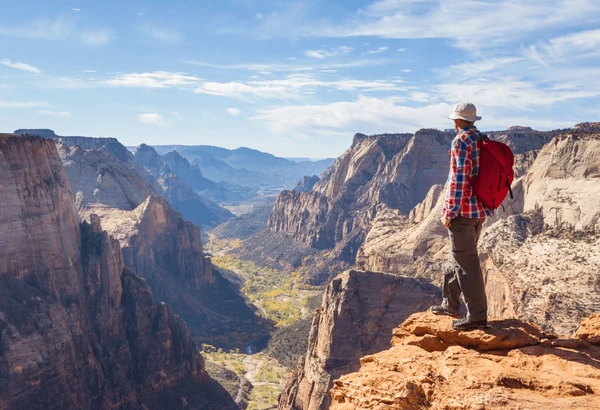
Zion National Park is like a big, beautiful playground made by nature! It has giant rocks, called cliffs and mesas, and a pretty river with green plants. Zion Canyon Scenic Drive is the best way to see the park, I experienced on my last trip with my family. It is the road that shows you all the coolest stuff. This article tells all about the Zion Canyon Scenic Drive. It shares the things you should see, how to use the free shuttle, and when you can drive your own car.
Contents- What is the Zion Canyon Scenic Drive?
- Key Viewpoints Along the Zion Canyon Scenic Drive
- How to Use the Zion Canyon Shuttle System
- When Can You Drive Your Own Car on the Zion Canyon Scenic Drive?
- During the Winter Months (Typically December - February)
- With a Lodge Reservation at Zion Lodge
- With a Special Permit (Limited Availability)
- What other scenic drives are there in Zion National Park?
- What is the Best Time of Year to Experience the Zion Canyon Scenic Drive?
- Are Bikes Allowed on the Zion Canyon Scenic Drive?
What is the Zion Canyon Scenic Drive?
The Zion Canyon Scenic Drive goes right through the middle of Zion Canyon, next to the Virgin River. The Virgin River made the canyon over a long, long time. The road is about 6.5 to 8 miles long, measured from its cross road State Route 9. On the way the road passes through the Temple of Sinawava. I think it’s like being in a different world because the rocks are so tall – over 2,000 feet high!

Access Primarily by Shuttle (Limited Private Vehicle Access)
Most of the time, you have to ride a free shuttle bus on the Zion Canyon Scenic Drive. The free shuttle system usually runs from March to November. This helps keep the canyon clean and quiet. It also stops people from getting stuck in traffic, that is what happened before 2000. But, if shuttle is not running, you can drive your own car.
The Zion Canyon shuttle operates from the Visitor Center with various stops along the way. Shuttles run frequently and it’s a convenient and eco-friendly way to explore the park. Be sure to check the Park’s website for the most up-to-date shuttle schedules and information to embark on a remarkable journey through Zion Canyon Scenic Drive. You have the opportunity to witness the extraordinary beauty that nature has crafted over millions of years with its towering Cliffs Emerald pools and dramatic Landscapes Zion National Park is a destination that will leave you in awe.
Stunning Views of the Virgin River, Cliffs, and Rock Formations
The road is right next to the Virgin River, so you always see it. The big cliffs are super tall and amazing! You can see special rocks like the Sentinel, the Organ, the Three Patriarchs, and the Great White Throne. These rocks have cool shapes, these have formed over thousands of years, the process is called deposition of ancient sediments.

Key Viewpoints Along the Zion Canyon Scenic Drive
There are 5 main spots to stop and look around on the Zion Canyon Scenic Drive:
Court of the Patriarchs
This is shuttle stop number 4. You can see three big mountains named Abraham, Isaac, and Jacob. It’s an extremely short and easy hike only 0.2 miles round trip with 29 feet of elevation gain. It’s a great stop and a quick one that allows you to explore more of the park on the same day. The Court of the Patriarchs trail showcases a beautiful bridge with cascading waterfalls and beautiful views of the group’s sandstone cliffs.
Zion Human History Museum
This is shuttle stop number 2. There are things to read and learn about the history of people in Zion. Zion National Park has a rich human history, and the Zion Human History Museum is a great place to learn all about it. The museum features exhibits and displays that tell the story of the people who have lived in the park over the years, from Native American tribes to early settlers and modern-day visitors. It is close from March to November. You can also see the Towers of the Virgin from here.
Canyon Junction Bridge (for Photos)
This is shuttle stop number 3, only when you’re coming back. You have to take a right turn, you’ll see a small bridge, and two small parking lots nearby. The bridge goes over the river, giving a superb view with the Watchman mountain in the background. The line of mountains over there, provides a beautiful and colourful view .
Big Bend
This is shuttle stop number 8. You can see the Great White Throne and Angels Landing. You can also get down to the river from here. It is a paradise for hikers with endless desert and mountains. It’s definitely worth visiting since it’s so picturesque.
Temple of Sinawava (End of the Road, Start of the Narrows Hike)
This is shuttle stop number 9, the last one! The canyon gets very narrow here. You can walk on the Riverside Walk, which leads to the Narrows hike. I remember my cousins saying, they saw people walking in the river! This enchanting site is nestled deep within the Towering Sandstone walls of Zion Canyon offering visitors a unique opportunity to immerse themselves in the Park’s awe-inspiring natural beauty.
The Temple of Sinawava marks the last shuttle stop, and from here, your journey into the heart of Zion’s Scenic wonders truly begins. The Temple of Sinawava holds spiritual importance. Sinawava is a word from the Paiute language. The indigenous people of this region and it roughly translates to the place of the coyote. The Payu people have a deep cultural connection to this land and the Temple of Sinawava stands as a testament to the enduring human bond with nature. Visiting the place offers not only a chance to appreciate the Park’s geological wonders but also an opportunity to acknowledge the cultural and spiritual Ties that connect humanity.
Weeping Rock (Currently Closed)
Weeping Rock is at shuttle stop number 7. Water drips out of the rock here, that is why its called weeping rock. But, it’s closed right now because of a rockfall. The 100-foot overhanging blind arch weeps each day of the year as spring water culminates in a nearly 1000-year journey through the Navajo and Cayenne sandstone, imitating a faint rain from above moss. Wildflowers on the vertical walls of weeping rock creates a complex system of hanging gardens.
How to Use the Zion Canyon Shuttle System
There are 4 main things to know about the shuttle to enjoy Zion Canyon:
Shuttle Stops and Routes
There are two shuttle lines. The Zion Canyon Line goes inside the park, from the Visitor Center (stop 1) to the Temple of Sinawava (stop 9). There are 9 stops in total of this line. The Springdale Line goes through the town of Springdale, with its 9 stops.
Here are all the stops on the Zion Canyon Line and what to look for near them:
| Stop Number | Stop Name | Key Attractions/Trailheads |
| 1 | Zion Canyon Visitor Center | South Campground, Watchman Trail, Pa’rus Trail |
| 2 | Zion Human History Museum | Zion Human History Museum, Pa’rus Trail |
| 3 | Canyon Junction | Pa’rus Trail (return trip only) |
| 4 | Court of the Patriarchs | Court of the Patriarchs Viewpoint, Sand Bench Trail |
| 5 | Zion Lodge | Zion Lodge, Emerald Pools Trails, Grotto Trail (to Stop 6), Sand Bench Trail |
| 6 | The Grotto | Angels Landing Trailhead, West Rim Trail, Kayenta Trail, Grotto Picnic Area |
| 7 | Weeping Rock | Weeping Rock Trail (currently closed), Observation Point Trail (via East Rim Trail – access currently impacted), Hidden Canyon Trail (access currently impacted) |
| 8 | Big Bend | Views of the Great White Throne and Angels Landing, Virgin River Access |
| 9 | Temple of Sinawava | Riverside Walk, The Narrows |
Shuttle Schedule and Frequency
Both shuttles run every day, from March to November. They start early in the morning and go until evening. It shifts to 7:00 am from mid september. The Zion Canyon Line runs about every 5-10 minutes. The Springdale Line runs every 10-15 minutes. You should check the Zion National Park website to be certain.
Boarding the Shuttle (Visitor Center, Springdale)
To get on the Zion Canyon Shuttle, go to the Visitor Center (stop 1). If you’re staying in Springdale, take the Springdale Shuttle to the park. You don’t need tickets to ride the shuttle, but you might have to wait in line.
Using the Shuttle to Access Trailheads
The shuttle is made to take you to the trails. Go to The Grotto (stop 6) for Angels Landing. Go to Zion Lodge (stop 5) or The Grotto (stop 6) for the Emerald Pools trails. Go to the Temple of Sinawava (stop 9) for The Narrows, most hikers start from here. Remember when the last shuttle leaves so you don’t miss it!
When Can You Drive Your Own Car on the Zion Canyon Scenic Drive?
There are 3 situations when you can drive your own car:
During the Winter Months (Typically December – February)
You can usually drive your car in the winter, from December to February. The Zion National Park changes exact dates every year, so confirm before you go. Parking is limited, so go early. Be careful of snow and ice!
With a Lodge Reservation at Zion Lodge
If you’re staying at the Zion Lodge, you can drive your car to the lodge. Zion Lodge is in the middle of the canyon and is the only lodging within Zion National Park, and the lodge is shuttle stop number five. So to go farther, you have to walk or catch the shuttle to go deeper into the canyon.
With a Special Permit (Limited Availability)
Sometimes, you can get a special permit, but it’s not for regular tourists. It’s usually for people doing research, but you need to check the official Zion National Park.
What other scenic drives are there in Zion National Park?
There are 3 other roads to drive on in Zion:
Zion-Mount Carmel Highway
This road is 25 miles (40 km) long. It goes between the south and east entrances of the park. The coolest part is the 1.1-mile Zion-Mount Carmel Tunnel, built in 1920, it has windows to look at the canyon!
Kolob Canyons Road
This road is in the northwest part of Zion. The drive is 5 miles long, but it’s 10.6 miles roundtrip. You can see the Kolob Canyons from up high.
Kolob Terrace Road
This road starts in the town of Virgin. It goes up to Kolob Reservoir. The road is a bit longer than the Zion Mount Carmel Highway stretching for 22 miles through the northern part of the park. Along the way, you’ll pass through Meadows, forests, and canyons. All while enjoying breathtaking views of the surrounding landscape.
What is the Best Time of Year to Experience the Zion Canyon Scenic Drive?
It depends on what you like the most!
Spring and Fall (Mild Weather, Fewer Crowds)
Spring (March to May) and fall (September to November) are nice because it’s not too hot or too cold. There are fewer people than in summer. Spring has wildflowers. Fall has colorful leaves.
| Season | Average Temperature (High/Low °F) | Typical Crowd Levels | Shuttle Service Operation | Notable Events/Considerations |
| Spring (Mar-May) | 58/33 to 86/54 | Moderate to High | Full Operation | Wildflower blooms, potential high river levels, spring break crowds |
| Summer (Jun-Aug) | 95/63 to 100+/70 | Very High | Full Operation, Extended Hours | Hottest temperatures, monsoon season, highest visitation, longer waits |
| Fall (Sep-Nov) | 72/44 to 60/30 | Moderate to Low | Full Operation (reduced hours later in season) | Pleasant temperatures, fall colors (late Oct/early Nov) |
| Winter (Dec-Feb) | 50/25 to 60/30 | Low (except holidays) | Limited or No Operation | Private vehicle access, potential snow and ice, quieter experience |
Summer (Hot, Crowded, but Shuttle Runs Frequently)
Summer (May to September) is very hot, sometimes over 100°F! It’s also the most crowded. But, the shuttle runs a lot. Be ready for the heat and bring lots of water!
Winter (Private Vehicle Access, but Potential for Snow and Ice)
Winter (December to February) is quiet, and you can drive your own car. But, it can snow, and some roads might be closed.
Are Bikes Allowed on the Zion Canyon Scenic Drive?
You can ride your bike on the Zion Canyon Scenic Drive. But, you have to stop and let the shuttle buses pass you, you cannot pass the shuttle bus ever. Ride on the right side of the road. Only six bikes can ride together. Kids under 18 must wear a helmet, but I suggest everyone to wear it. The Pa’rus Trail presents an excellent alternative for cycling within Zion Canyon, especially for families or those seeking a more leisurely ride. It’s 3.5 miles long and goes along the river, and is easy to ride. You can rent bikes in Springdale.
